Digital print. Small runs, now.
For test runs, artist drops and runs under 50 pieces: Direct-to-Garment and Direct-to-Film print without screens, without minimums — photorealistic and ready to go at once.
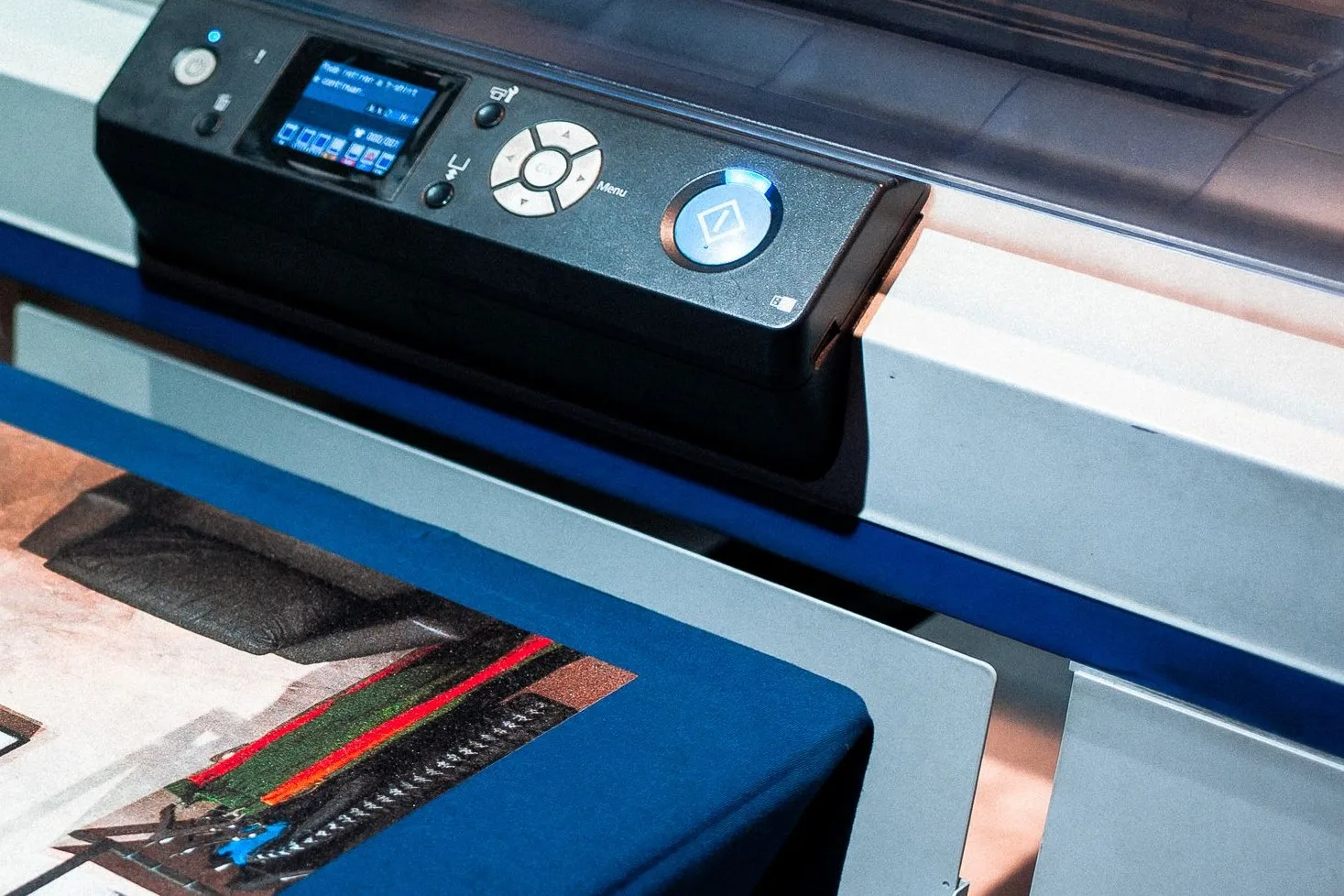
No screens, no lead time, no minimum.
When the run is small, the artwork fine or the time short — that’s when digital plays its strengths.
01
Smallest runs
Economical from a single piece — no set-up cost for screens, ideal for tests and reprints.
02
Photo artwork
Gradients, photos, fine detail — what hits colour limits in screen printing prints digitally in one pass.
03
Speed
With no screen lead time, production starts at once — the fast answer to short-notice drops.
The process: from briefing to delivery
Briefing & quote
Artwork file, quantity, garment, deadline — quote within 24 hours on weekdays.
Data check & approval
We check the print data for resolution and colour space, then a digital proof for approval.
Production
DTG or DTF depending on the garment, piece-by-piece quality control.
Finishing & shipping
Even a single-piece order is labelled, packed individually and goes to warehouse, venue or end customer.
The key figures.
Guide values for planning — we clarify special cases in conversation.
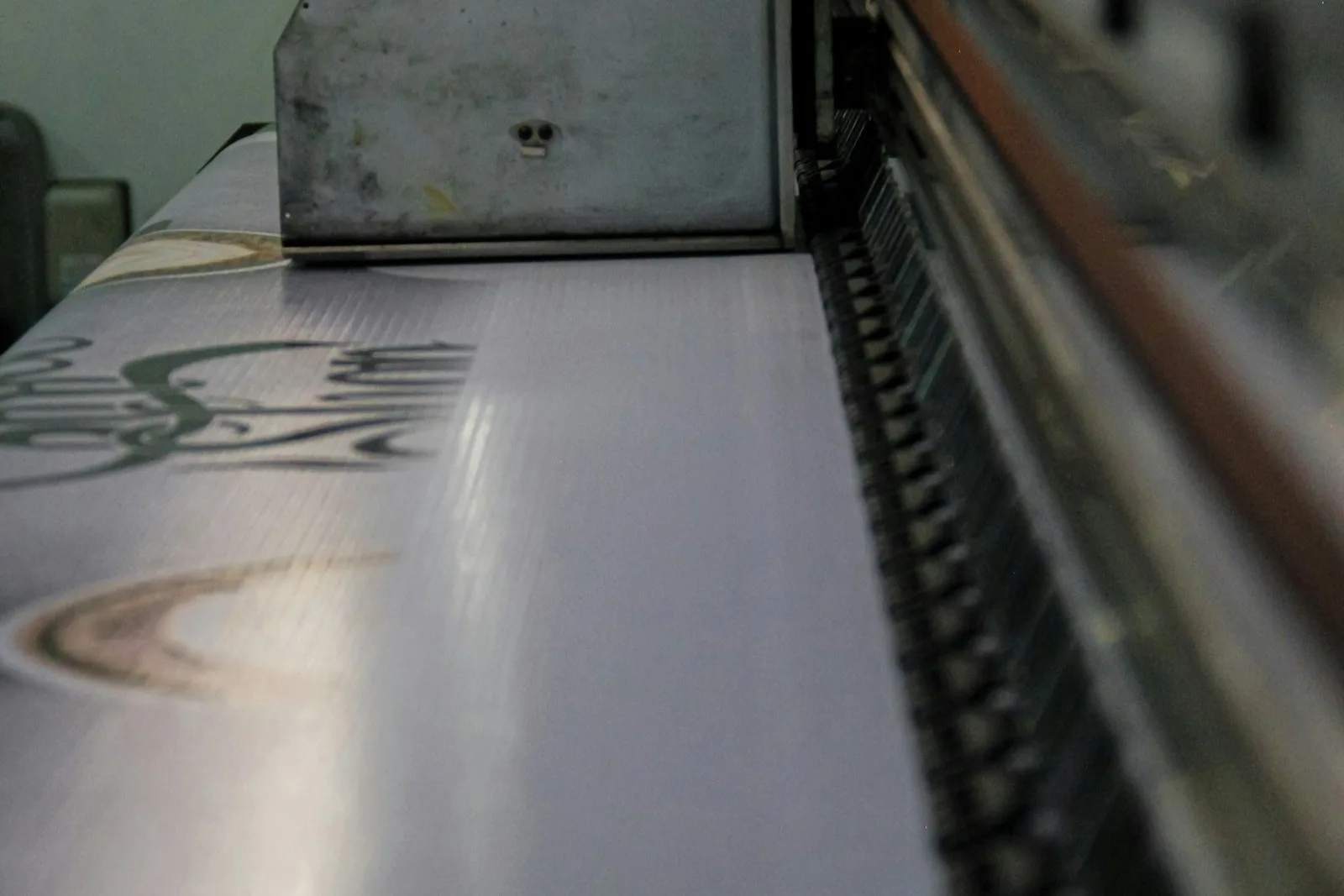
Impressions from the workshops
What people ask first.
You can order from one piece — there are no screens to set up and no minimum run. It becomes economical from around five pieces, because handling and setup time only spread out from there. That is why the technique is the answer to test runs, artist drops and reprints.
DTG prints on cotton, DTF on almost anything — blends and polyester included. Which of the two is used is decided by the garment, not by the motif.
Yes. Full colour and photorealistic in one pass — exactly where screen printing runs into its colour limits. On dark garments too, with a white base printed first.
Under ten days from your approval — the screen lead time disappears entirely, the step that comes before every new motif in screen printing. For short-notice drops that is the decisive difference.
Up to 40 degrees, washed inside out. That is more cautious than screen printing, which survives 50 washes — in return you get photographic motifs and runs from a single piece.
Other techniques
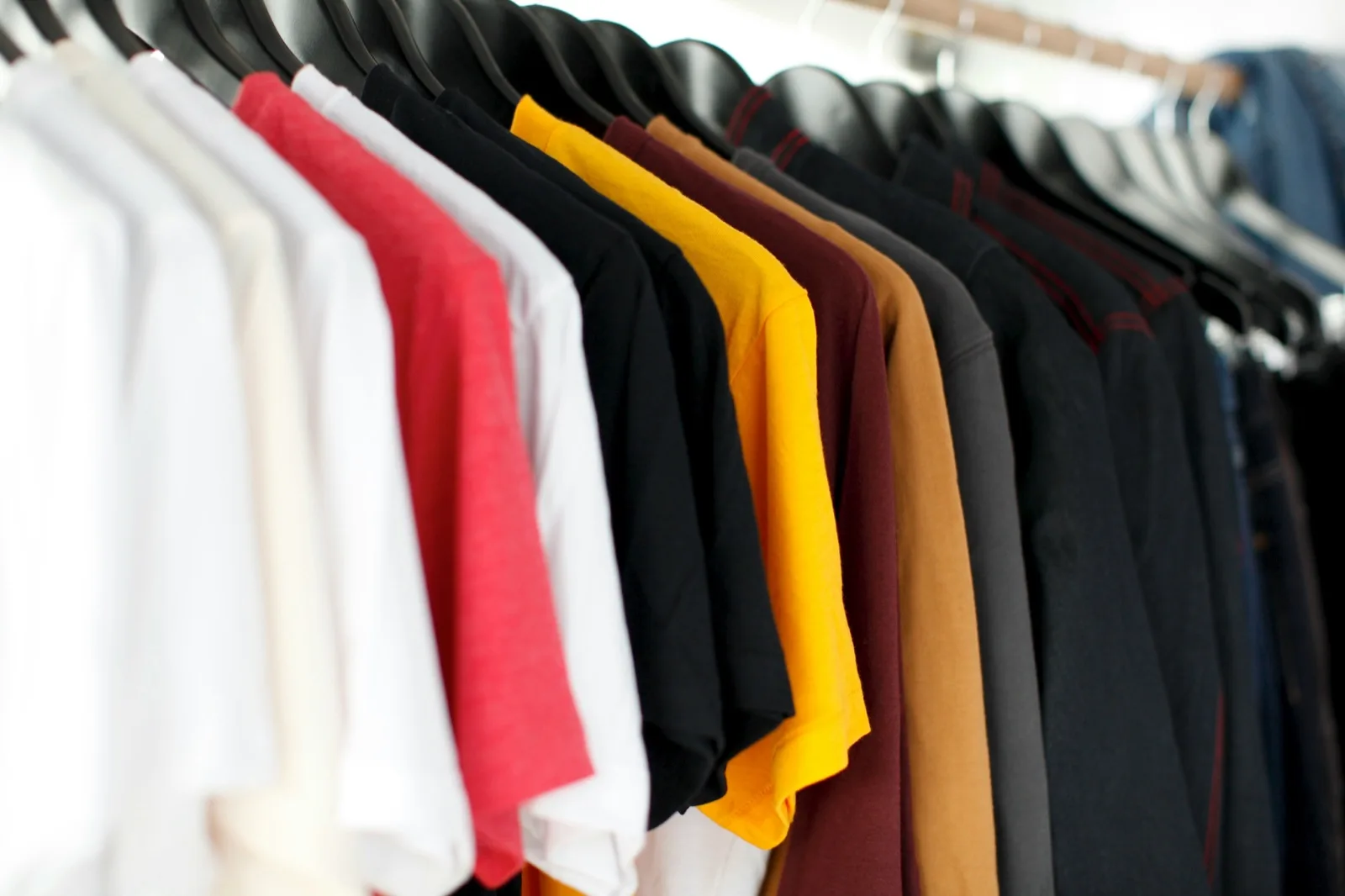
Blank Sourcing
Learn more →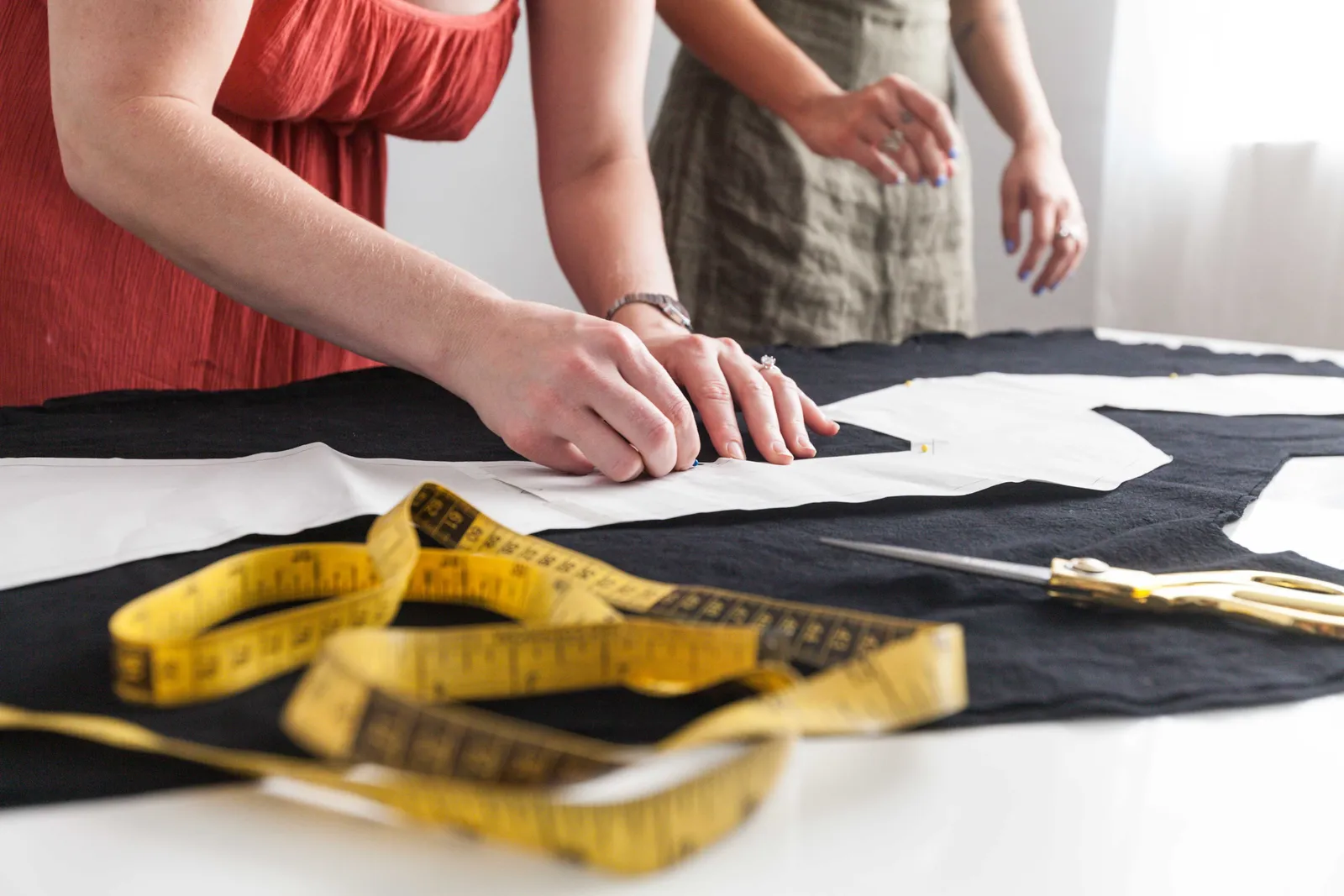
Custom Production
Learn more →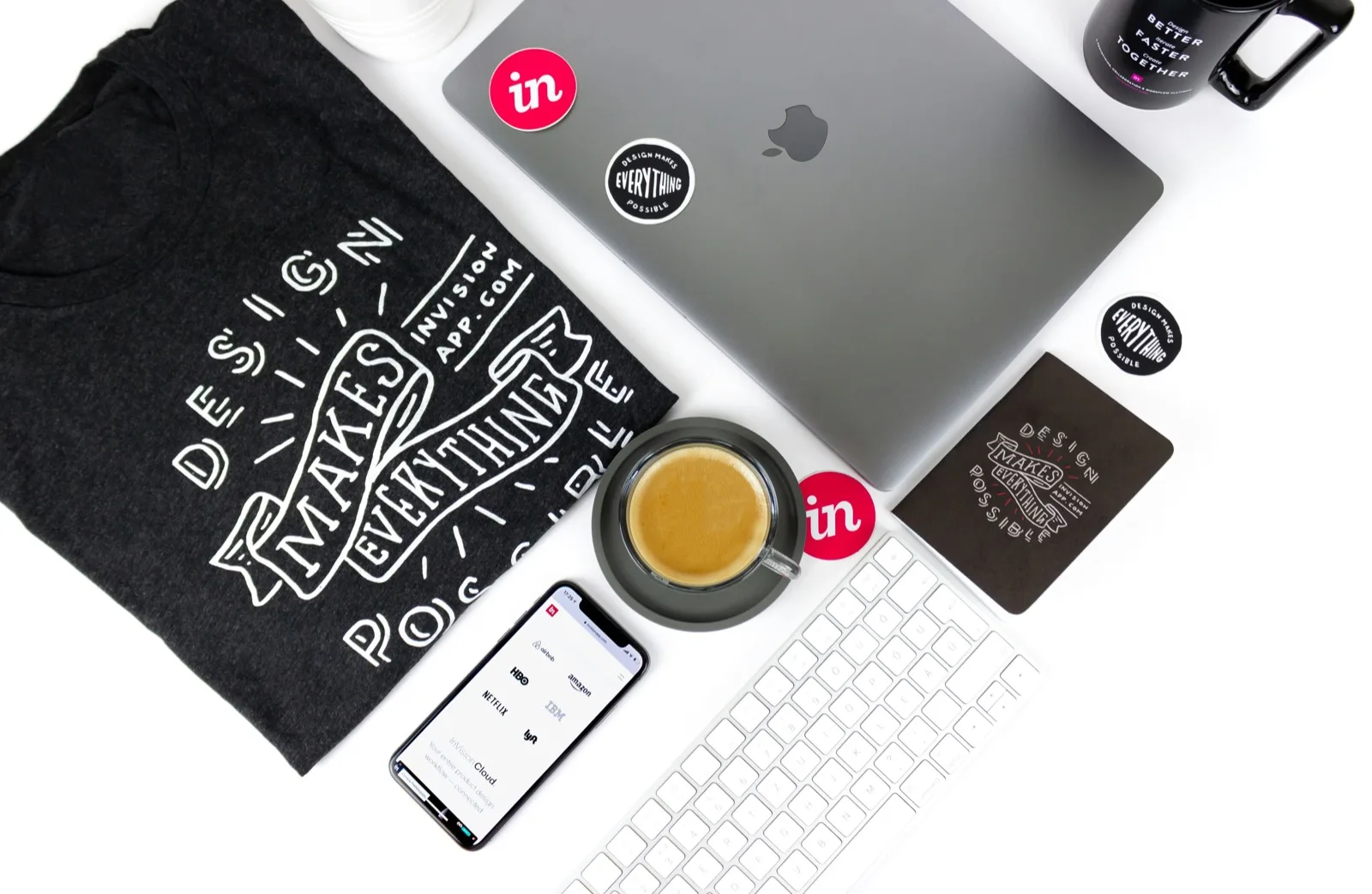
Promotional & Fan Items
Learn more →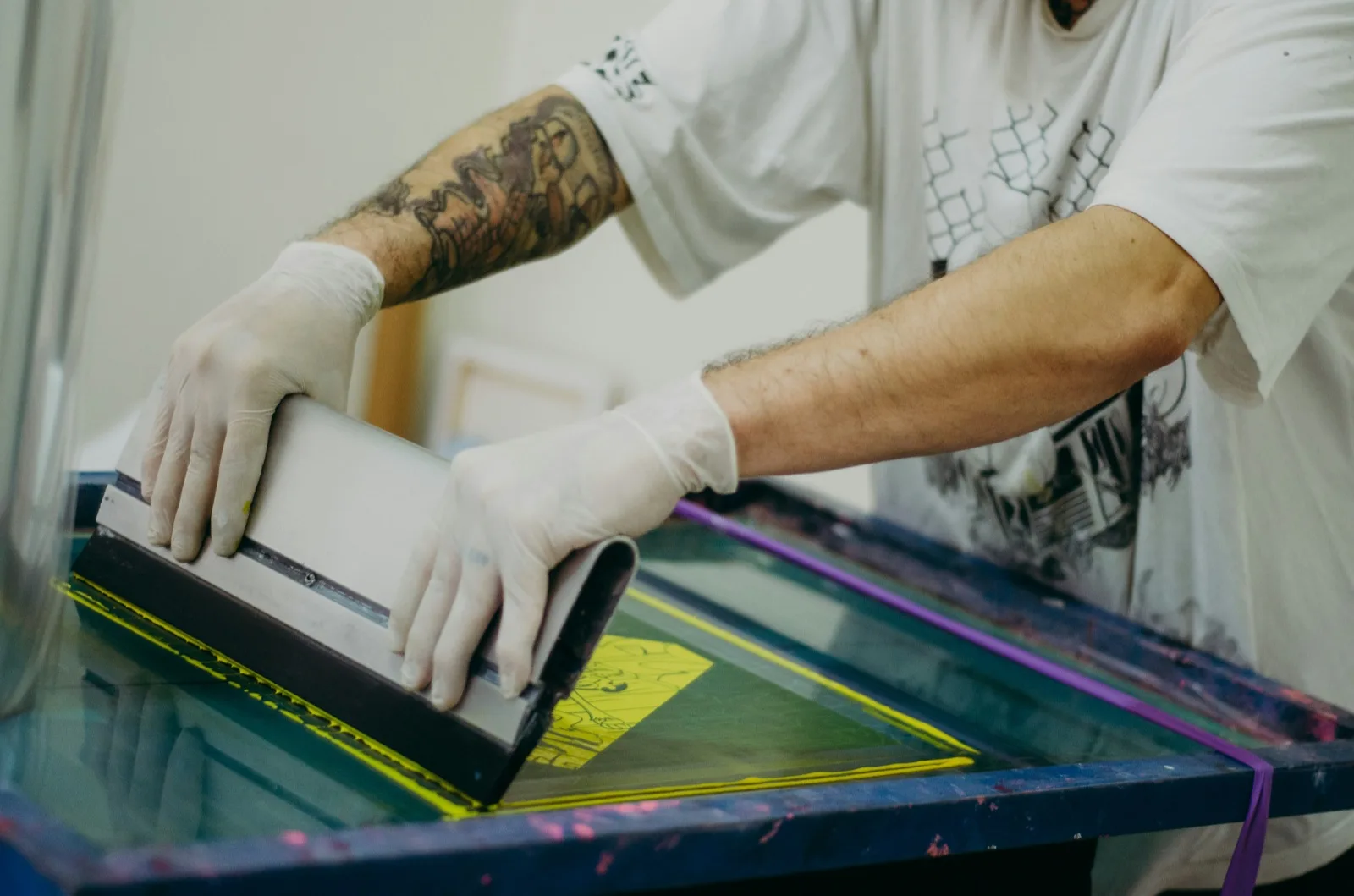
Screen printing
Learn more →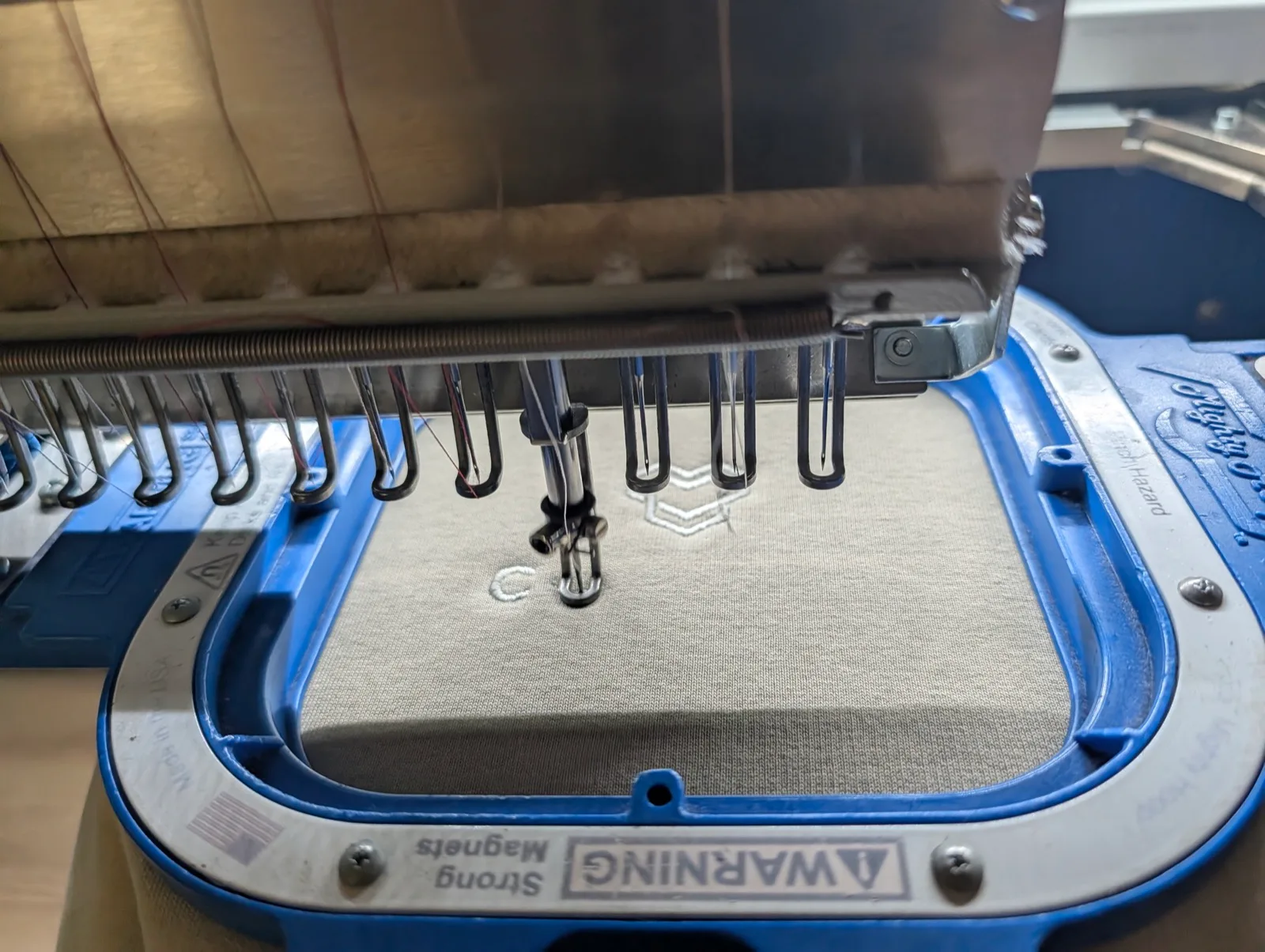
Embroidery
Learn more →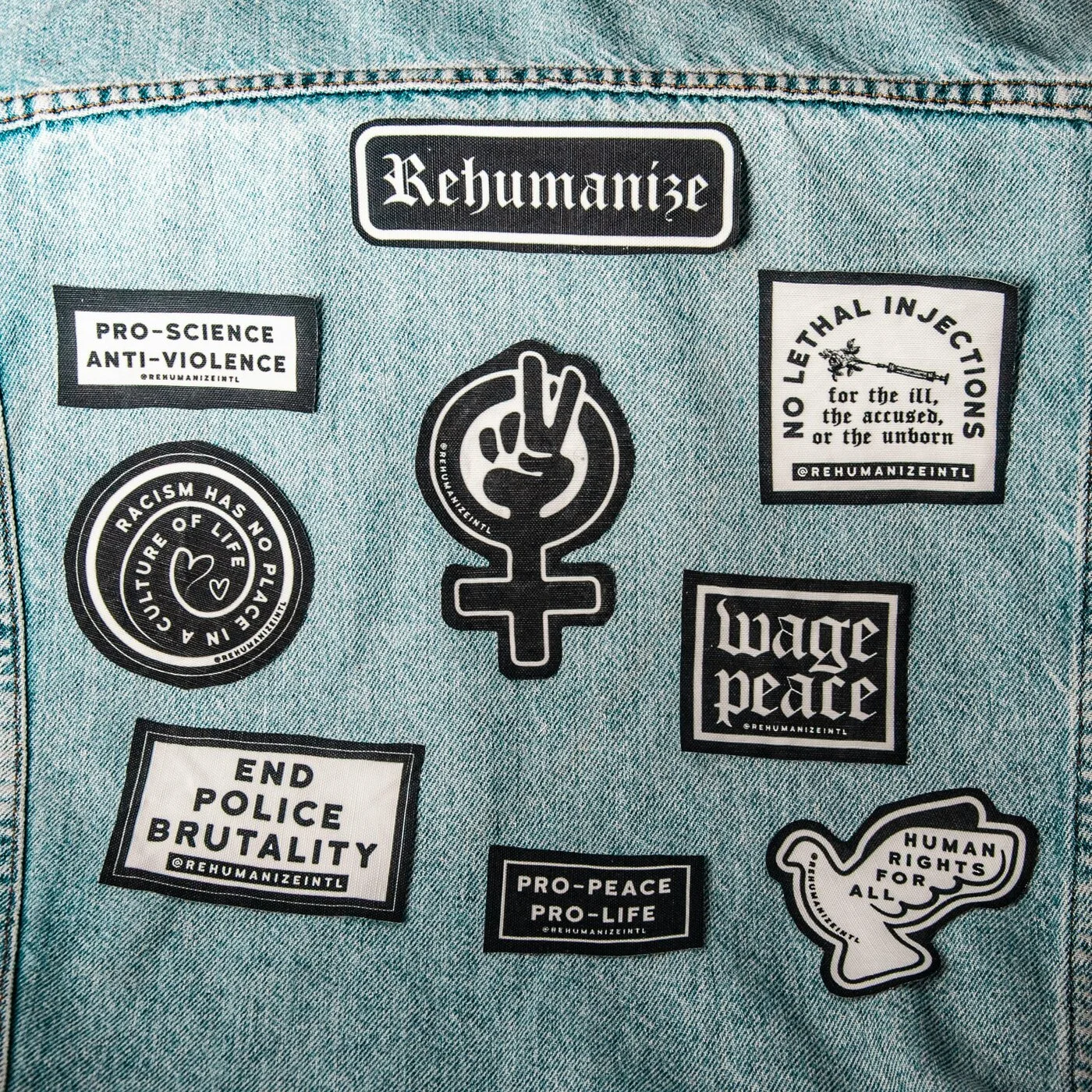
Appliqué
Learn more →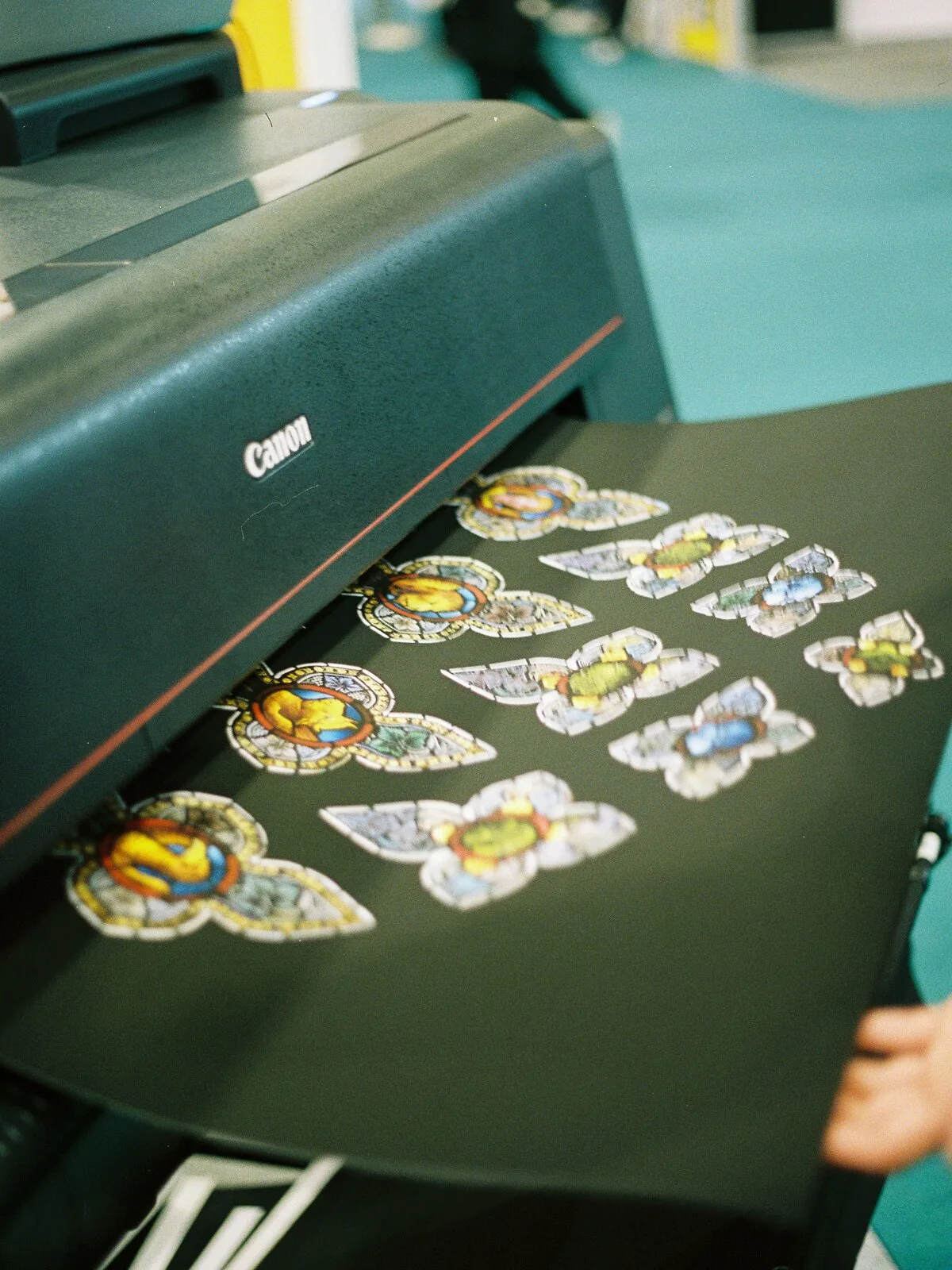
Sublimation & Transfer
Learn more →
Finishing
Learn more →
Finishing & Packing
Learn more →
Stock & Re-orders
Learn more →
Direct Shipping
Learn more →
White-label
Learn more →
Project management
Learn more →
Approval & Proof
Learn more →
Company Store
Learn more →Request a digital-print project.
Have quantity, deadline and artwork at hand. Then we can start costing right away.