Embroidery. Garments you can feel.
An embroidered logo on a polo, a cap or a jacket: thread runs through the fabric rather than ink sitting on top. It lasts as long as the garment does — and it reads as more than printed blanks from the first touch.
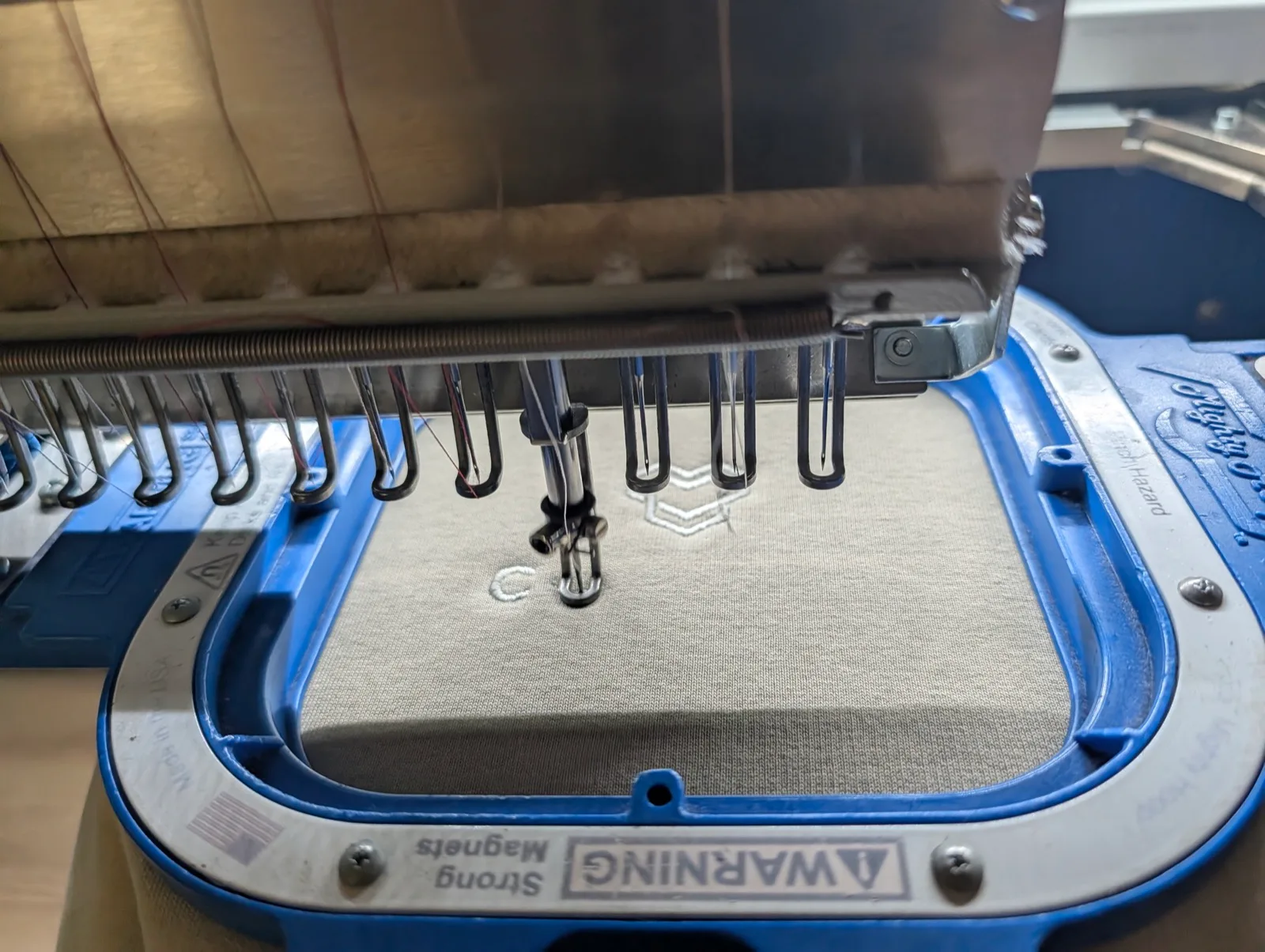
What an embroidery job looks like with us.
A worked example: 120 polos, chest logo in four thread colours, digitised once, every reorder without set-up. Approval on day one, dispatch on day twelve.
Why thread outlasts ink.
When feel and durability matter, a motif should read as dimensional, or names and numbers need fast personalisation.
01
Embroidery
Embroidered logo on polos, caps and jackets — the most durable finish for small, clearly outlined motifs.
02
Perceived value
Thread on a polo, cap or softshell reads as company clothing, not as a giveaway — the difference registers before the first word is read.
03
3D and effect thread
Puff embroidery builds the design up, metallic thread breaks the light — effects no printing process reproduces.
The process: from briefing to delivery
Briefing & quote
Motif, thread and technique, quantity, garment — quote within 24 hours on weekdays.
Digitising & approval
The embroidery pattern or cut file is created, then a sample or digital proof for approval.
Production
The machine stitches the design, piece-by-piece quality control.
Finishing & shipping
Polos, caps and jackets are labelled, packed individually and go to warehouse, venue or end customer.
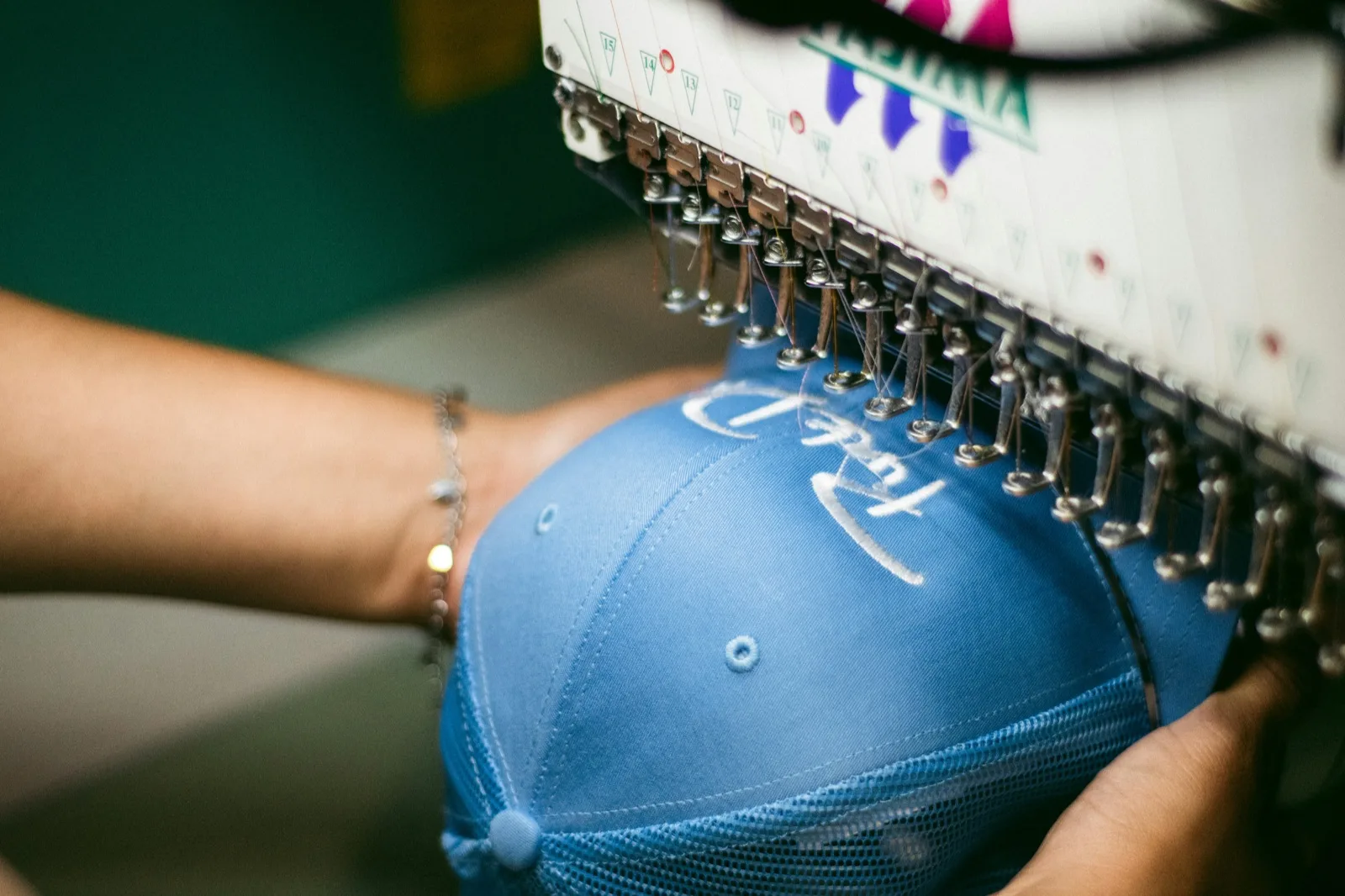
Twelve needles, one design
The key figures.
Guide values for planning — we clarify special cases in conversation.
Impressions from the workshops

What people ask first.
Once per motif. After that, every further run of the same logo costs nothing in preparation — which is why embroidery gets cheaper with recurring collections, not dearer.
With gradients and photorealistic motifs — thread cannot do gradients. And with large areas: they become heavy and expensive, because every square centimetre is stitched. Digital print does both better.
Most of them — thin qualities we check on a sample first, because the needle pierces the fabric. Polo shirts, caps, jackets and softshells are the standard case.
A backing that is stitched over — the motif builds up and casts a shadow. Together with metallic effect thread, that is the look no printing technique reproduces.
Single pieces on request. It becomes economical from around ten pieces, because digitising is charged once and spreads over the run. If the embroidery file already exists, it pays off sooner.
Other techniques
Blank Sourcing
Learn more →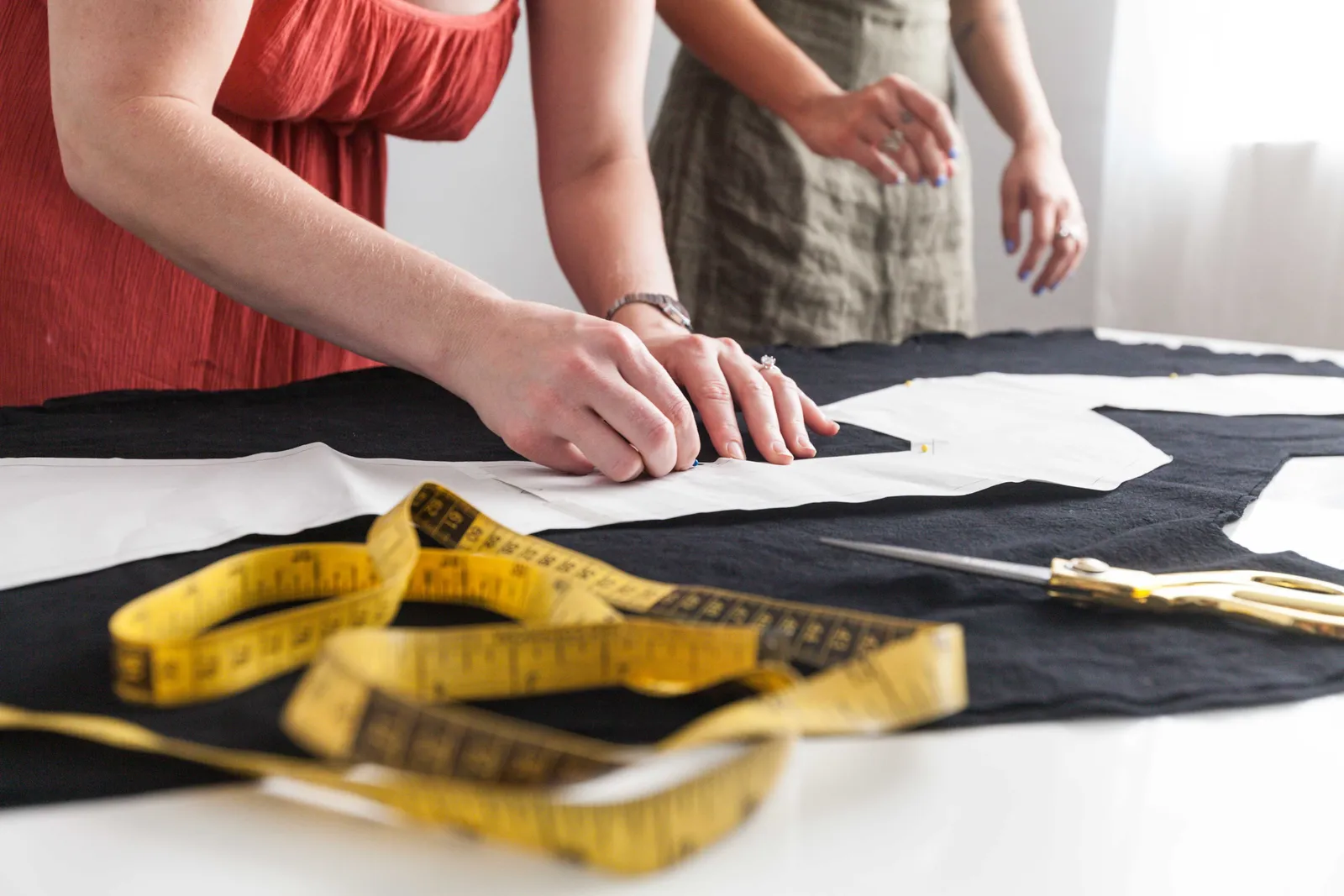
Custom Production
Learn more →
Promotional & Fan Items
Learn more →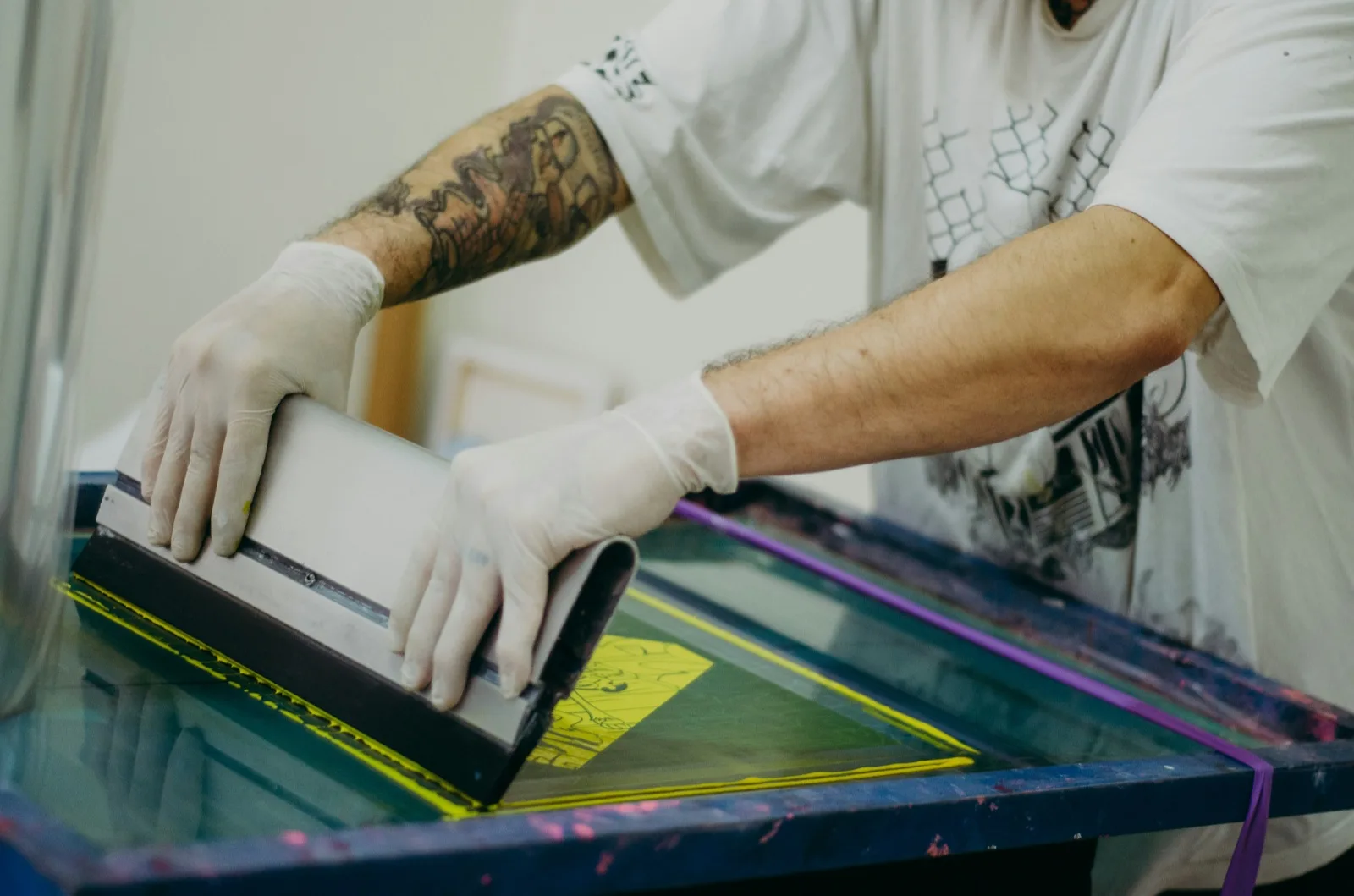
Screen printing
Learn more →
DTG · DTF
Learn more →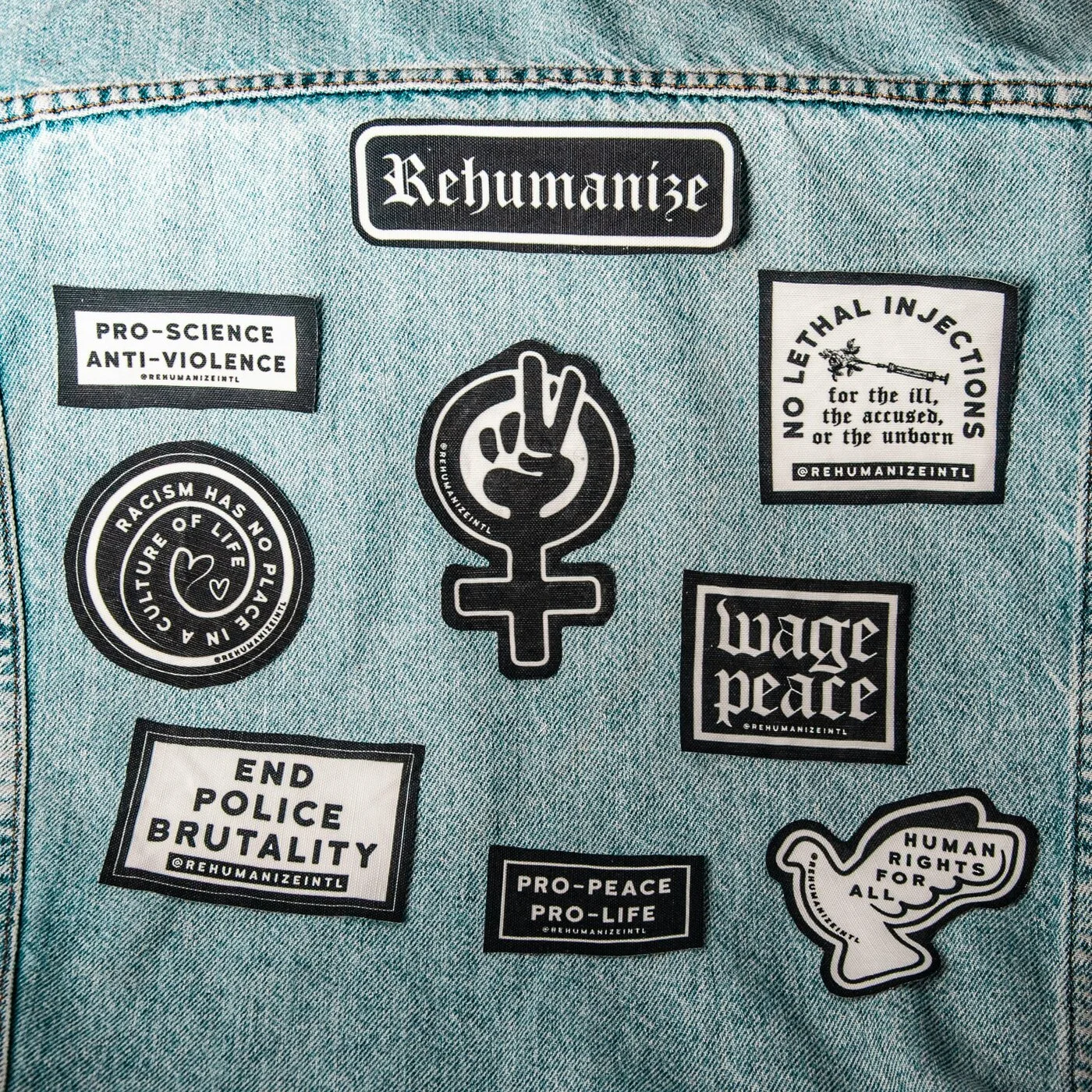
Appliqué
Learn more →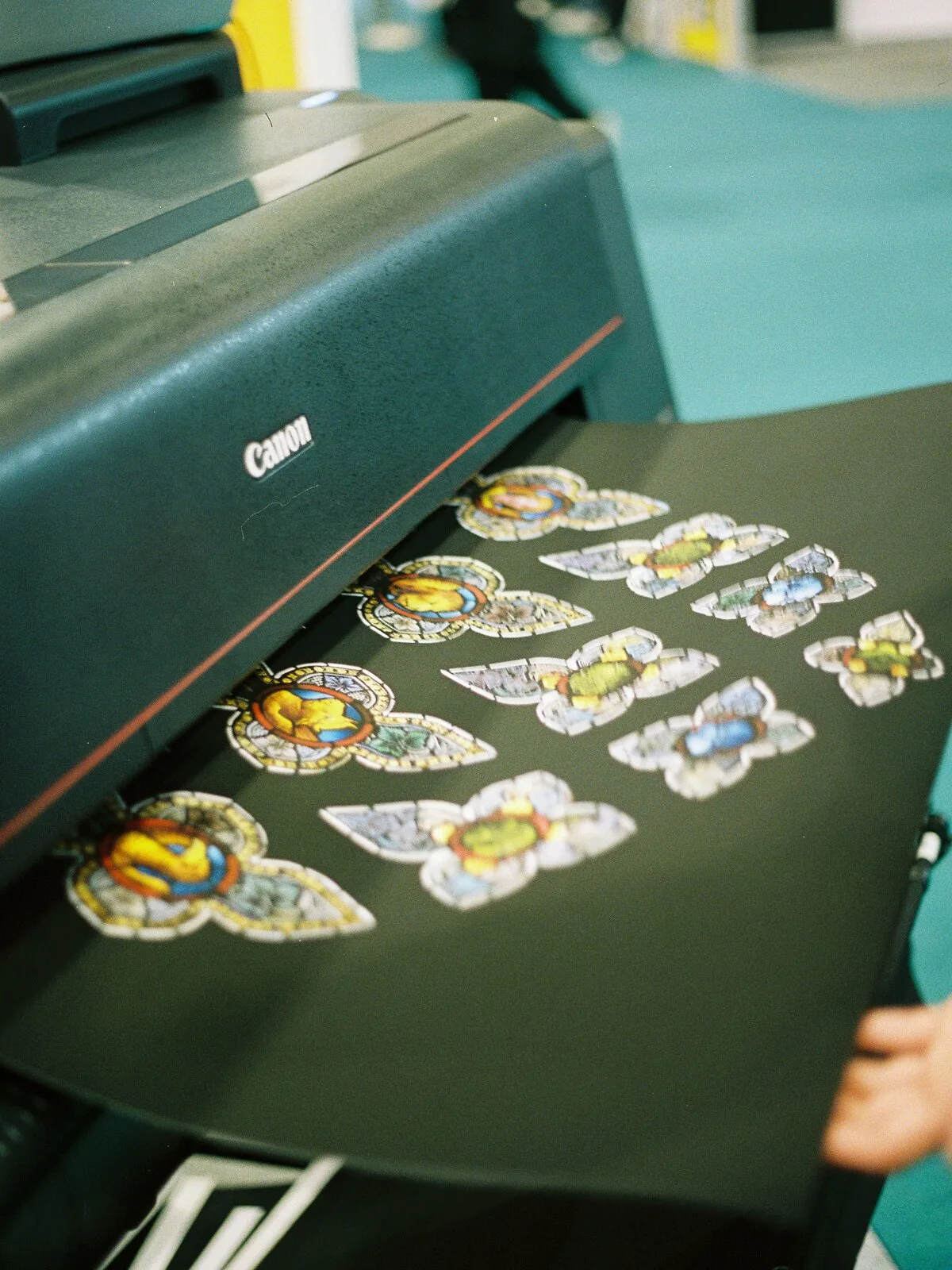
Sublimation & Transfer
Learn more →
Finishing
Learn more →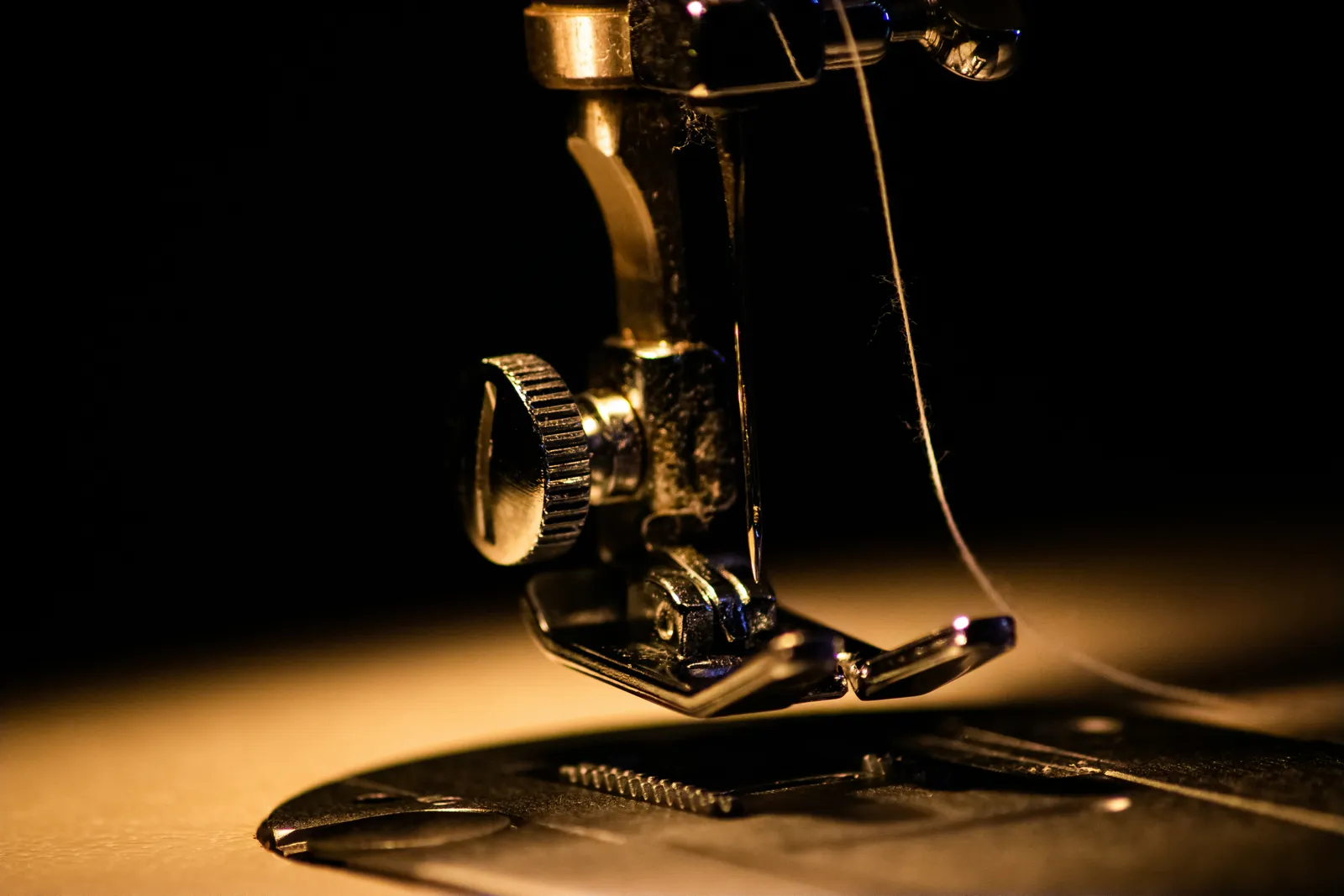
Finishing & Packing
Learn more →
Stock & Re-orders
Learn more →
Direct Shipping
Learn more →
White-label
Learn more →
Project management
Learn more →
Approval & Proof
Learn more →
Company Store
Learn more →Request an embroidery project.
Have quantity, deadline and artwork at hand. Then we can start costing right away.